Source Creative Jewelry Box for Storage, Gifts, and Display
Explore 30 options for a creative jewelry box, including leather, wood, and paper designs. Compare features like clamshell openings, custom OEM services, and various shapes to find the ideal solution for storage, gifting, and retail display needs; compare the available evidence and request quotations based on your requirements.
Key considerations
Products List




Comprehensive Sourcing Guide
Creative Jewelry Box Sourcing Guide
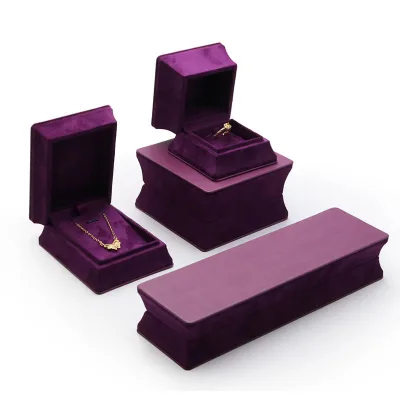
Buyers evaluating creative jewelry boxes must first distinguish between functional storage and premium presentation units, as the market offers distinct variations in material and design intent. Observed listings indicate a strong presence of solid wood and leather options, often featuring simple or luxury styles to suit different brand identities. The shape varies significantly, with square, rectangle, and clamshell opening mechanisms appearing frequently in current catalogs. This diversity requires purchasers to align their specific product needs with the available customization capabilities, ensuring the chosen box enhances the perceived value of the jewelry it contains.
Procurement teams should also scrutinize the industrial use classifications provided in supplier data, which range from general storage to specialized gift and collection purposes. The availability of OEM and ODM services suggests that many manufacturers can adapt standard designs to meet unique branding requirements, including custom logos and specific color palettes like pink or gold. However, buyers must verify that the "creative" aspect of the design does not compromise structural integrity, as the primary function remains the secure protection of delicate items during transit and display.
Product Scope and Observed Listing Signals
The current market signals reveal a wide spectrum of product models, from specific identifiers like DY-106620 to generic codes such as 002, indicating a highly fragmented supply base. Materials observed include solid wood, leather, and paper/cardboard, each offering different aesthetic and protective qualities for the end user. The shape and style attributes vary from retro and simple to luxury, allowing buyers to target specific consumer segments with tailored packaging solutions. Understanding these distinct product signals is essential for filtering suppliers who can deliver the exact visual and tactile experience required for a brand's identity.
Buyers must also note the specific opening mechanisms and packing methods listed, such as clamshell designs and standard export packaging, which directly impact the unboxing experience. The observed price range of 0.01 to 110 USD reflects significant variation in quality and material composition, necessitating a clear definition of budget constraints before engaging with suppliers. Additionally, the presence of custom order acceptance and design customization options suggests that many manufacturers are prepared to produce bespoke units, but this flexibility often comes with higher minimum order quantities and longer lead times that must be factored into the procurement timeline.
Technical Specifications to Verify
When evaluating technical specifications, the physical dimensions and standard measurements provided in listings serve as critical benchmarks for inventory and logistics planning. Specific models list precise dimensions, such as 250217105 mm or 8.3 x 6 x 4 inches, which must be cross-referenced with the actual jewelry items to ensure a proper fit. Buyers should verify that the listed size categories, such as medium or customized, align with their product lines, as discrepancies can lead to wasted space or inadequate protection during shipping. The shape attributes, including square and rectangle forms, further influence how the boxes can be stacked and displayed in retail environments.
Surface handling and material composition are equally vital technical parameters that determine the durability and aesthetic appeal of the final product. Varnishing processes on solid wood or leather finishes require verification to ensure they meet the desired gloss level and resistance to wear. The listed industrial use, such as jewelry boxes or leather jewelry boxes, implies specific internal configurations that must be confirmed through samples. Additionally, the availability of specific logo file formats like PDF, CDR, and AI indicates the level of digital integration possible, but buyers must confirm that the physical printing or embossing processes can accurately reproduce these designs on the chosen material.
Compliance and Safety Documentation
Compliance verification for creative jewelry boxes often centers on environmental and quality management certifications, which signal a manufacturer's commitment to sustainable and consistent production practices. Observed listings mention ISO14001 and ISO9001 certifications, which are critical indicators for buyers seeking suppliers with established quality control systems and environmental management protocols. These certifications suggest that the manufacturing processes adhere to international standards, reducing the risk of defects and ensuring that the materials used meet safety requirements for consumer goods. Buyers should request valid certificates to confirm that these standards are current and applicable to the specific production line.
Fire safety and material safety are also paramount considerations, particularly for products intended for retail display or gifting. While specific fire retardant standards like EN shapes are noted in some listings, buyers must ensure that the fire safety claims are backed by independent test reports relevant to the specific material composition, such as leather or wood. The absence of explicit fire safety data in some product descriptions necessitates a proactive inquiry to the supplier regarding compliance with destination market regulations. Ensuring that all materials are non-toxic and safe for handling is essential to maintain brand reputation and avoid potential legal liabilities in international trade.
Cost Drivers and Commercial Terms
Cost structures for creative jewelry boxes are heavily influenced by material selection, customization complexity, and order volume, creating a wide variance in unit pricing. The observed MOQ range of 20 to 5000 units indicates that suppliers offer flexibility for small batches but may require higher volumes for custom designs or premium materials like solid wood and leather. Buyers should anticipate that lower unit costs are often associated with standard sizes and colors, whereas customized designs, specific shapes, and unique surface treatments will incur additional tooling and setup fees. Understanding these cost drivers is essential for negotiating favorable terms that align with the project budget and sales projections.
Commercial terms regarding packaging and shipping logistics also play a significant role in the total landed cost of the procurement. Listings indicate options for sea or air freight, as well as carton or standard export packaging, which directly impact shipping expenses and delivery timelines. Buyers must clarify who bears the responsibility for packaging costs and whether the standard export packaging is sufficient to prevent damage during transit. Additionally, the acceptance of custom orders and OEM services often involves specific payment terms and deposit requirements that should be clearly defined in the purchase agreement to avoid disputes and ensure smooth transaction completion.
Supplier Qualification and Quality Control
Supplier qualification for creative jewelry boxes requires a rigorous assessment of their manufacturing capabilities, particularly regarding their ability to handle custom designs and maintain consistent quality. The availability of OEM and ODM services suggests that many suppliers have the technical capacity to adapt to specific buyer requirements, but this must be validated through a review of their production facilities and past performance. Buyers should verify the supplier's experience with the specific materials they intend to use, such as leather or wood, to ensure they possess the necessary expertise for high-quality finishing and assembly.
Quality control processes must be explicitly defined and agreed upon before production begins to mitigate the risk of receiving substandard goods. The "Best" quality claim observed in some listings is a marketing statement that requires independent verification through pre-shipment inspections and sample approvals. Buyers should establish clear acceptance criteria for dimensions, surface finish, and structural integrity, ensuring that the final product matches the approved prototype. Regular communication and on-site audits can further ensure that the supplier maintains the required standards throughout the production run, safeguarding the buyer's investment and brand reputation.
Long-Term Procurement Checks
Establishing a long-term procurement relationship for creative jewelry boxes involves continuous monitoring of supplier performance and market trends to ensure sustained value. Buyers should regularly review the supplier's ability to meet delivery schedules and maintain quality consistency over multiple production cycles. The dynamic nature of the jewelry packaging market means that design trends and material availability can shift rapidly, requiring suppliers to remain agile and responsive to changing customer demands. A proactive approach to supplier management helps identify potential issues early and fosters a collaborative environment for continuous improvement.
Strategic planning for future orders should include an analysis of cost trends and the availability of alternative materials or designs to maintain competitiveness. Buyers must stay informed about changes in certification requirements and environmental regulations that could impact the sourcing strategy. Regularly updating the supplier's product specifications and ensuring that they remain compliant with international standards is crucial for long-term success. By maintaining a robust supplier qualification process and fostering open communication, buyers can secure a reliable supply chain that supports their brand growth and adapts to evolving market conditions.
FAQs
Can I customize the design of a creative jewelry box?
Yes, customization is available for creative jewelry boxes. Suppliers accept custom orders and offer OEM and ODM services. You can provide logo files in formats like PDF, CDR, PSD, AI, or JPG. Designers can create unique styles such as simple, luxury, or retro options to match your brand identity and specific storage needs.
What materials are used for creative jewelry boxes?
Creative jewelry boxes are commonly made from leather, solid wood, or paper and cardboard. Leather options often feature a luxury style with clamshell openings. Wood boxes may include varnishing for durability. Paper-based boxes are available in colors like gold or pink. These materials ensure sturdy storage and collection for various jewelry items.
What certifications do creative jewelry box manufacturers hold?
Manufacturers of creative jewelry boxes often hold ISO14001 and ISO9001 certifications. These standards indicate adherence to quality management and environmental protection practices. Some products may also reference fire retardant standards like EN. These certifications help ensure that the production processes meet international safety and quality benchmarks for industrial use and export.
What are the typical specifications for creative jewelry boxes?
Specifications vary by model, with sizes ranging from medium to customized dimensions. Common models include DY-106620, DY-513, and DY-347. Dimensions might be 250*217*105 mm or 8.3 x 6 x 4 inches. Shapes include square, rectangle, and clamshell designs. These specifications cater to different storage capacities and aesthetic preferences for jewelry organization.
Where are creative jewelry boxes manufactured?
Creative jewelry boxes are primarily manufactured in Guangdong, China, with specific origins in Shenzhen. Products are made in China and exported globally. Suppliers offer shipping by sea or air, often using carton or standard export packaging. This location provides access to established supply chains for leather, wood, and paper materials used in production.
What is the minimum order quantity for creative jewelry boxes?
The minimum order quantity typically ranges from 20 to 5000 units. This flexibility allows buyers to order small batches for testing or large volumes for distribution. Suppliers accept custom orders, making it easier to scale production. The MOQ depends on the material, customization level, and specific model selected by the buyer.